How Can Therapy Help Children With Anxiety?

Therapy helps children with anxiety by nurturing emotional awareness, strengthening nervous system regulation, and deepening connection with caregivers. From an interpersonal neurobiology (IPNB) perspective and other relational/brain-based approaches, every interaction shapes the brain; healing happens not just in the mind, but within the relationship.
When children feel anxious, tense, or overwhelmed, therapy provides a safe, attuned space to understand what’s happening inside their bodies and brains. At Wonder Tree Developmental Psychology, our licensed clinicians use evidence-based, play-based, and relationship-centered approaches that help children feel calmer, more confident, and more connected to the people who care for them most.
Key Takeaways
Therapy for children with anxiety helps regulate the nervous system and build lasting resilience.
Family involvement strengthens patterns of safety, trust, and calm communication.
Early support fosters confidence, curiosity, and emotional flexibility.
Wonder Tree Developmental Psychology offers integrated, brain-based care, from play therapy to parent coaching, in Vancouver, WA.
Understanding Childhood Anxiety

It’s natural for children to worry at times, but when anxiety begins to affect sleep, school, or relationships, it can signal that their nervous system is working too hard to feel safe. From a nervous system lens, anxiety is the body’s way of saying, “I’m not sure I’m safe right now.” Therapy helps children and families understand these cues and respond with compassion instead of correction.
It’s not about “fixing” a child, it’s about helping them feel supported, capable, and secure enough to meet life’s challenges with growing confidence.
Common signs of anxiety in children include:
Stomachaches, headaches, or sleep troubles.
Irritability, restlessness, or emotional outbursts.
Avoidance of school, peers, or new situations.
Frequent reassurance-seeking or perfectionism.
Patterns of self-criticism or low confidence.
With support, children don’t just learn to manage anxiety, they learn to understand it.
How Therapy Helps Children Regulate Anxiety

Therapy teaches children to notice what’s happening inside their minds and bodies before anxiety takes over. Through mindful awareness, play, and connection, they learn that feelings are signals, not something to fear.
Therapists may use:
Play Therapy: Encourages self-expression through art, toys, and storytelling, allowing emotions to unfold naturally.
Interpersonal Neurobiology (IPNB) Strengthens co-regulation — helping caregivers become their child’s calm anchor during anxious moments.
Mindfulness and Sensory Regulation Tools: Support the brain-body connection through breathing, movement, and grounding activities.
Social and Emotional Skill Building: Helps children manage friendships and problem-solve with confidence.
Cognitive-Behavioral Therapy (CBT): Helps children identify worries and develop realistic, balanced ways of thinking.
When therapy centers on emotional safety and connection, children begin to trust that they can handle their feelings, and that they are never alone in them.
The Role of Family Therapy in Healing
Children regulate best within relationships. That’s why family therapy in Vancouver, WA, often plays a key role in helping children with anxiety. When caregivers understand how anxiety functions in the nervous system, they can respond with calm, empathy, and consistency.
Benefits include:
Parents learn to stay regulated during their child’s anxious moments.
Siblings develop understanding and empathy.
Families create predictable routines that soothe anxious systems.
Therapists coach parents in co-regulation and gentle communication.
Shared understanding helps progress last well beyond therapy sessions.
When the whole family learns to move together from stress toward safety, healing becomes sustainable.
What to Expect During Child Therapy Sessions
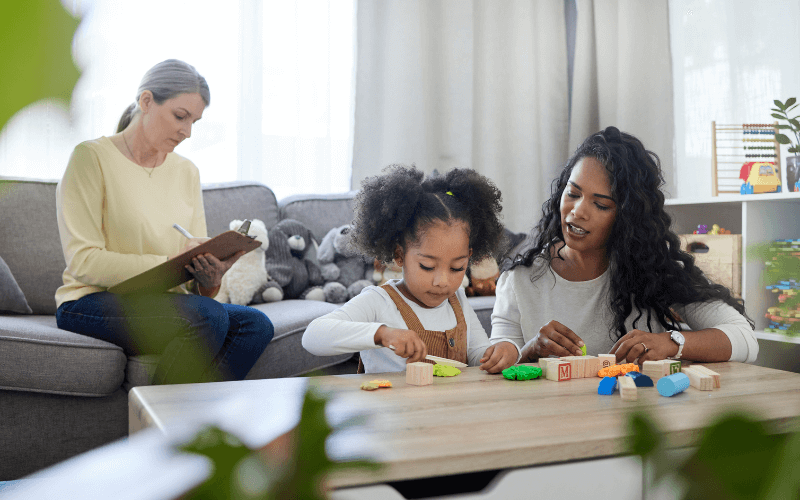
From the very first session, therapy at Wonder Tree focuses on safety, play, and connection. Every child’s nervous system is unique, and their path toward calm unfolds at their own pace.
A typical process may include:
Warm introduction: Building trust through play, art, or games.
Observation: Understanding your child’s triggers, coping patterns, and regulation style.
Goal setting: Collaboratively identifying what “feeling calm and confident” looks like.
Skill practice: Using mindfulness, body-based tools, or imaginative play to build regulation.
Parent feedback: Sharing updates and strategies for home.
Collaboration: Coordinating with teachers or pediatricians for consistent support.
When to Seek Professional Help
It may be time to consider child therapy in Vancouver, WA, when anxiety begins to disrupt daily life or relationships. Therapy helps clarify whether your child’s worry is typical stress or something that could benefit from structured support.
Signs it may be time to reach out include:
Frequent worry, panic, or nightmares.
Avoiding school, social activities, or new experiences.
Emotional outbursts or withdrawal that feel hard to manage.
Changes in appetite, sleep, or motivation.
Persistent self-doubt or perfectionism.
Learn more in our related post: 7 Signs Your Child Should See a Therapist.
Supporting Your Child at Home
Therapy works best when home becomes a space for continued regulation and connection. Small, consistent shifts in daily rhythm can help children feel safe and capable.
Helpful practices:
Keep routines predictable to support a sense of safety.
Model self-regulation; show your child how you calm your body when stressed.
Praise effort and courage rather than outcome.
Use emotion words (“That sounds frustrating,” “You’re feeling nervous about that”) to build awareness.
Stay connected with your child’s therapist for guidance.
Approach anxious behaviors with understanding rather than punishment.
These small, relational moments of safety help rewire the brain toward calm and confidence.
FAQs
-
Each child progresses at their own pace. Some families notice positive changes within 8–12 weeks, while deeper patterns may require longer-term support.
-
That’s completely okay. Therapists use play, art, and movement to help children communicate in the ways that feel safest for them.
-
Yes. Anxiety is treatable, especially when therapy supports both the child’s emotional world and their nervous system.
-
Often, yes. Parent involvement strengthens progress and provides a shared language for supporting regulation at home.
Conclusion
Therapy gives children more than coping tools, it helps their brains and bodies learn safety, connection, and confidence. Through play, attunement, and co-regulation, children discover that they can face worries with curiosity instead of fear.
At Wonder Tree Developmental Psychology, we believe growth happens through relationship. With compassionate guidance and evidence-based care, we help families move from anxious patterns toward calm, confidence, and connection.
Helping Your Child Feel Calmer, Happier, and More Confident
If your child is struggling with anxiety, you don’t have to face it alone. Our team at Wonder Tree Developmental Psychology offers child therapy in Vancouver, WA that supports nervous system regulation and family connection, helping your child (and your whole family) find lasting calm and confidence.