What Does a Child Psychologist Do During a Therapy Session?
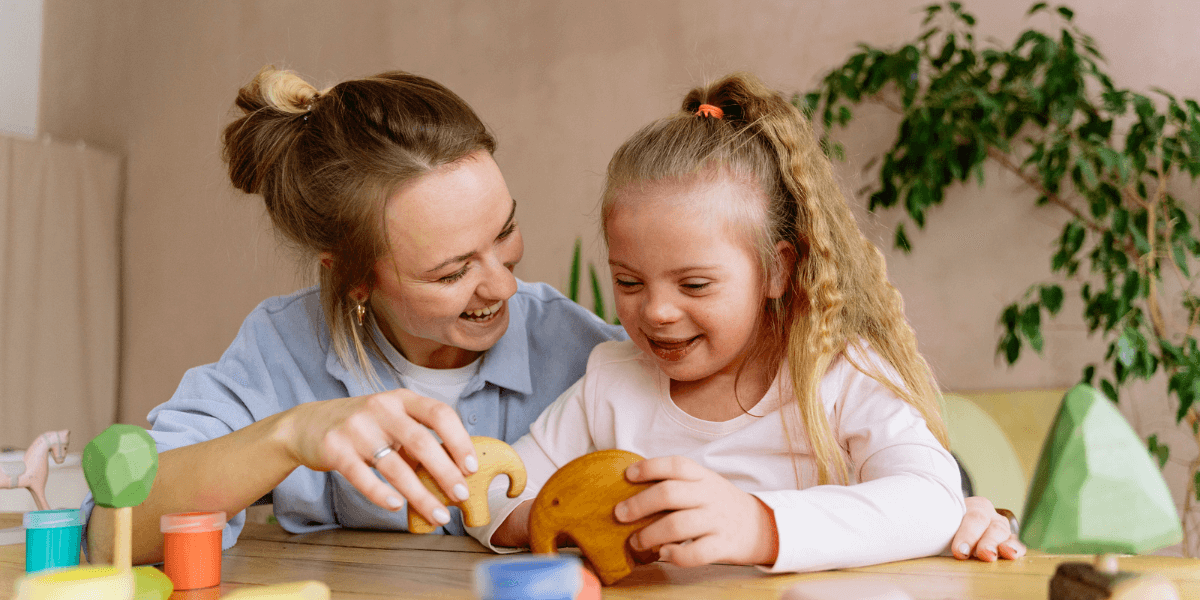
A child psychologist helps children understand their feelings, behaviors, and relationships through evidence-based therapy techniques suited to their age. During a session, they use tools like play, drawing, or conversation to guide children toward better emotional regulation, focus, and self-confidence. These sessions also involve collaboration with parents and teachers to support consistent progress both at home and in school.
Understanding what happens in a therapy session can help parents feel more confident about seeking help for their child's mental and emotional development. In this blog, we will skim through what a child psychologist does and how they can help your child.
Key Takeaways
Child psychologists provide a nurturing yet structured environment where children can explore their emotions safely and gain lifelong coping skills. Therapy sessions are dynamic, playful, and evidence-based, rooted in empathy and collaboration.
What to remember:
Sessions are designed to be child-friendly and interactive.
Techniques range from play therapy to CBT and mindfulness.
Parents and educators are part of the therapeutic team.
Therapy supports both emotional and academic development.
What Does a Child Psychologist Do?

A child psychologist specializes in understanding how children think, feel, learn, and grow. Their work centers on helping families make sense of emotional, social, and developmental challenges, whether a child is struggling with anxiety, attention difficulties, trauma, big feelings, learning differences, neurodivergence, or life transitions. Sessions often use play, storytelling, sensory tools, and collaborative problem-solving to help children build regulation, confidence, and connection.
Child psychologists also work closely with caregivers, because children thrive when the adults around them feel equipped and supported. This may include parent coaching, school collaboration, or helping families understand the neurobiology beneath a child’s behaviors. The goal is always the same: to create a safe, warm, and attuned environment where kids feel truly seen and understood.
Training and Expertise: What Makes a Child Psychologist Different?
Becoming a child psychologist involves years of advanced training. After earning a bachelor’s degree, psychologists complete a doctoral program, either a Psy.D. or a Ph.D., which typically spans 5–7 years. Trainees study child development, neuroscience, attachment, assessment, evidence-based therapies, and ethics while completing thousands of supervised clinical hours in schools, hospitals, and clinics.
After graduation, psychologists complete a full-time internship and often a postdoctoral residency focused specifically on child and adolescent mental health. They must pass licensing exams, maintain ongoing continuing education, and stay current with evolving research. Many pursue further specialization in trauma-informed care, neurodevelopmental testing, autism assessment, or brain-based therapies rooted in interpersonal neurobiology.
How a Typical Child Therapy Session Begins
The first sessions are all about comfort and connection. The psychologist focuses on helping the child feel safe, seen, and understood before diving into deeper conversations.
Here's what usually happens early on:
A warm introduction helps the child feel welcomed and at ease.
Play, drawing, or storytelling opens communication naturally.
The therapist explains privacy in a way that builds trust.
Observation of behavior, speech, and reactions helps guide the approach.
At Wonder Tree Development Psychology, our sessions are designed around curiosity and compassion, meeting children exactly where they are.
How Child Psychologists Use Interpersonal Neurobiology (IPNB)
Interpersonal neurobiology, developed by Dr. Dan Siegel, helps child psychologists understand how relationships, brain development, emotion regulation, and the body’s stress responses are deeply interconnected. Through this lens, the child is not viewed as a collection of “problems to solve,” but as a growing nervous system that learns best through safe relationships and attuned experiences.
Child psychologists incorporate IPNB principles in ways that feel gentle, practical, and everyday-relevant for families. This might include:
1. Building Regulation Through Co-Regulation
Instead of expecting children to calm themselves on command, psychologists model and teach co-regulation—where a calm, attuned adult helps a child’s nervous system settle. Parents learn how tone of voice, posture, breath, and pacing can shift a child from overwhelm to comfort. This lays the foundation for independent self-regulation later on.
2. Using the “Upstairs/Downstairs Brain” Framework
This kid-friendly model helps families understand why children can become overwhelmed, inflexible, or reactive. When the “downstairs brain” (the survival system) takes over, thinking, planning, and learning momentarily shut down. Psychologists teach children and parents how to recognize these cues and use strategies—sensory tools, movement, breath, connection—to bring the “upstairs brain” back online.
3. Strengthening Attachment and Connection
IPNB emphasizes the healing power of relationships. Child psychologists help parents develop attunement (noticing, naming, and responding to a child’s emotional cues), which strengthens secure attachment. This supports resilience, emotional regulation, and long-term mental health.
4. Supporting the Mind-Body Connection
Children learn tools that integrate body and brain: grounding exercises, mindful movement, breathwork, and sensory awareness. These practices help them understand their internal signals, build emotional vocabulary, and experience what calm actually feels like in their bodies.
5. Integrating the Whole Story
IPNB approaches view challenges through a “whole child” lens—considering temperament, sensory needs, trauma history, relational patterns, and developmental context. Psychologists help families understand how past experiences may shape current reactions, and how new patterns can be created through curiosity and compassion rather than shame or punishment.
Why IPNB-Informed Care Matters
Children’s brains grow in the context of relationships. When a child psychologist uses interpersonal neurobiology, it ensures that therapy is not just about managing symptoms—it’s about supporting the brain’s natural capacity for integration, emotional balance, and resilience. Families walk away with a deeper understanding of the “why” behind behaviors, and with practical strategies that strengthen connection at home, school, and beyond.
Techniques and Approaches Used inChild Therapy

Therapy for children with anxiety looks very different from adult sessions. Each tool or method is tailored to match the child's developmental stage and personal needs.
Common techniques include:
Play therapy: Allows children to express feelings through toys, art, or games.
Cognitive-behavioral therapy (CBT): Helps children recognize and reframe anxious or negative thoughts.
Mindfulness and relaxation exercises: Teach focus and self-regulation.
Parent-guided strategies: Extend the benefits of therapy into daily life.
Educational collaboration: Integration with educational therapy in Vancouver, WA, for children who struggle with learning or attention challenges.
Parent Involvement and Family Guidance

Parents play a central role in the success of child therapy. Child psychologists work closely with families to ensure progress continues beyond the therapy room.
Parental involvement often includes:
Regular updates and feedback meetings.
Guidance on emotional communication at home.
Behavior plans that promote consistency across settings.
Referrals or resources for a child psychologist near Vancouver, WA, for ongoing family support.
By coaching parents alongside children, psychologists help families become stronger systems of emotional support.
Therapy for Children with Anxiety or Emotional Dysregulation

Many children who see a psychologist struggle with anxiety, worries, or big emotions that feel hard to manage. Therapy provides a safe space for them to learn calming tools and understand their feelings better.
Methods that support anxious children include:
CBT: Identifying and reshaping anxious thought patterns.
Relaxation and breathing exercises: Grounding techniques for stress.
Gradual exposure: Gently confronting fears in manageable steps.
Creative outlets: Journaling, drawing, or storytelling for self-expression.
Wonder Tree Development Psychology therapists emphasize gentle progress, celebrating every small success.
Collaboration with Schools and Educators
A child's emotional health directly affects their ability to learn and interact in class. That's why psychologists often coordinate with schools and educational professionals to provide a complete support plan.
School collaboration may include:
Sharing classroom behavior insights and teacher observations.
Helping create or update Individualized Education Programs (IEPs).
Providing learning accommodations and focus strategies.
Partnering with educational therapy professionals for targeted interventions.
This teamwork ensures that academic goals and emotional growth move forward together.
What to Expect in Progress Reviews
Therapy is a gradual process. Every few sessions, the psychologist reviews progress with both the child and parents to make sure therapy remains effective and goal-oriented.
During these reviews, psychologists typically:
Track emotional, behavioral, and social milestones.
Adjust therapy methods as the child evolves.
Discuss home-based follow-up activities.
Reinforce patience and consistency as keys to success.
Progress is rarely linear, but each step builds a foundation for lasting resilience.
FAQs
-
Most sessions last between 45 and 60 minutes, depending on the child's age and focus level.
-
Every child is unique. Many show progress within 8–12 sessions when therapy and home strategies are consistent.
-
Early sessions may include parents, but most children work independently once trust and comfort are built.
-
Many plans cover psychological services. Contact your provider or Wonder Tree Development Psychology's front office for details.
Conclusion
Child psychologists play a vital role in helping children navigate emotions, build resilience, and develop healthy coping skills. Through tailored methods like play therapy and CBT, they make therapy approachable and effective for young minds. At Wonder Tree Developmental Psychology, our team creates a warm, supportive space where children feel safe to express themselves and grow emotionally, socially, and academically.
Book a Session with a Child Psychologist Near Vancouver, WA
If you're searching for a compassionate child psychologist near Vancouver, WA, Wonder Tree offers individualized care designed to help children thrive. Schedule a consultation today and help your child grow with confidence.